If you’ve ever wondered how HR teams manage hundreds of employees without losing track of paperwork, the answer is usually an HRIS.
HRIS stands for Human Resources Information System. It’s software that stores and manages everything related to your employees, from the day they’re hired to the day they leave. In 2026, an HRIS does much more than just store data. It helps HR teams work smarter, stay compliant, and make better decisions using real information instead of guesswork.
1. What Does an HRIS Actually Do?
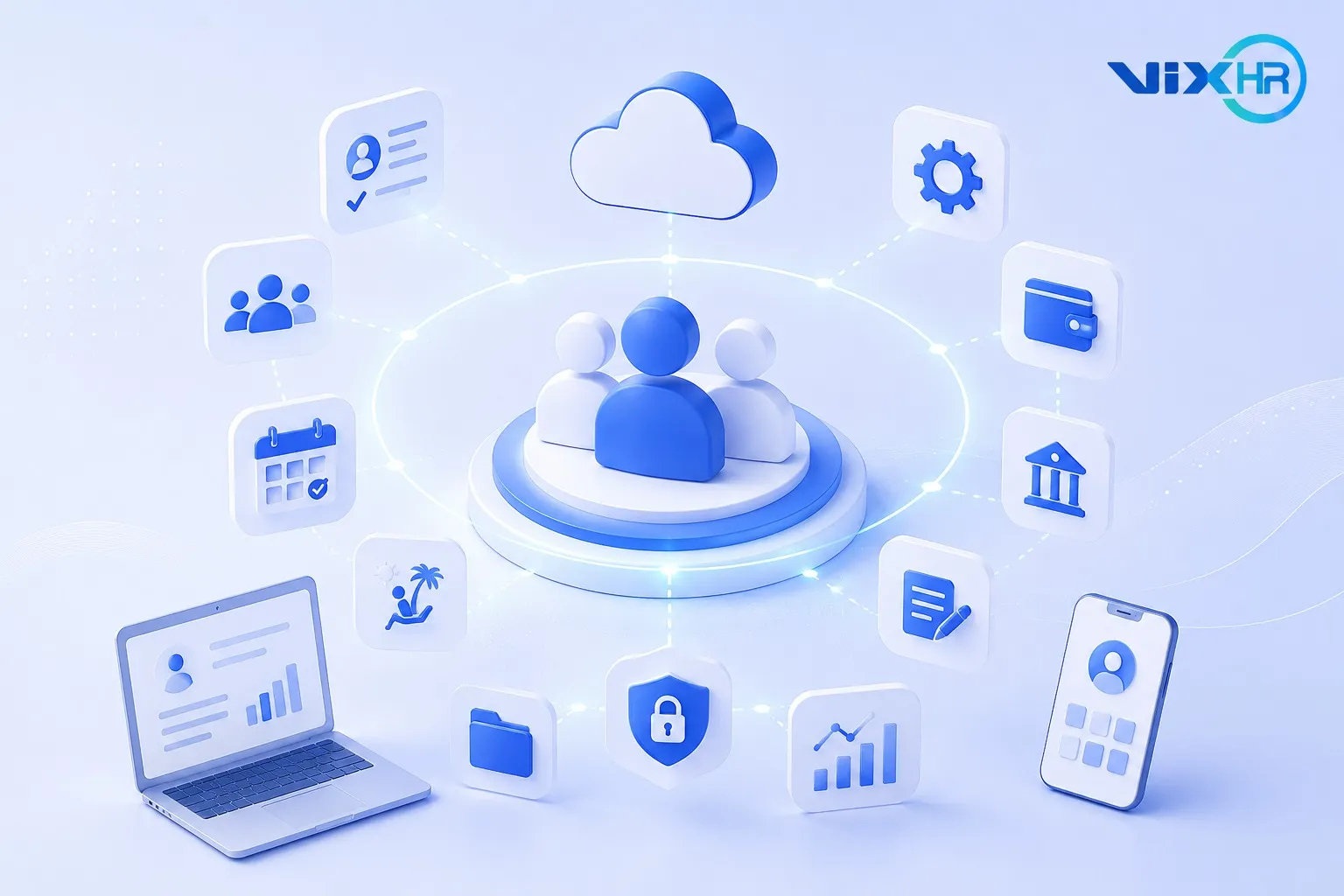
At its core, an HRIS keeps all employee information in one place. This usually includes:
- Personal details like contact information and job history
- Payroll and benefits
- Attendance and leave tracking
- Hiring and onboarding
- Performance reviews and training records
- Compliance reports
Modern HRIS platforms go further. They connect with other tools, automate routine HR tasks, and give employees a self-service portal where they can check payslips, apply for leave, or update their details without emailing HR every time.
2. Types of HRIS
Not every HRIS works the same way. Some common types include:
- Core HRIS – handles basic employee records and attendance
- Talent management HRIS – focused on performance and career growth
- Payroll-focused HRIS – built around pay, tax, and benefits
- Cloud-based HRIS – accessible from anywhere, with regular updates
- Global HRIS – supports multiple countries, currencies, and labor laws
Most companies today prefer a cloud-based HRIS that can grow with the business and connect easily with other systems.
3. Why Businesses Use an HRIS
- Core HRIS – handles basic employee records and attendance
- Talent management HRIS – focused on performance and career growth
- Payroll-focused HRIS – built around pay, tax, and benefits
- Cloud-based HRIS – accessible from anywhere, with regular updates
- Global HRIS – supports multiple countries, currencies, and labor laws
4. What to Look for in a 2026 HRIS
A good HRIS today should offer:
- A single, reliable source for employee records
- Payroll and benefits handled in one system
- Attendance tracking, including leave and scheduling
- Simple hiring and onboarding workflows
- Performance tracking and feedback tools
- Reports for audits and government filings
- Analytics that help predict turnover or staffing needs
- Mobile access and an easy-to-use interface
- Strong data security and access controls
5. How an HRIS Supports the Employee Journey
An HRIS plays a role at every stage of employment:
- Hiring – manages applications and speeds up the process
- Onboarding – automates paperwork and welcomes new hires smoothly
- Growth – tracks training, reviews, and career progress
- Engagement – supports feedback and recognition
- Offboarding – handles exits properly, with nothing missed
6. Choosing the Right HRIS
Before picking a system, it helps to ask:
- What features do we really need?
- Can this system grow with our company?
- Will our team actually find it easy to use?
- How long will it take to set up?
- Does it connect with our current payroll or hiring tools?
- Is our employee data protected?
7. A Few Myths About HRIS
- “An HRIS fixes everything automatically.” Not quite. It makes HR work easier, but good processes still matter.
- “All HRIS platforms are the same.” They’re not. Features and pricing vary a lot.
- “One system works for every business.” Some companies need more flexibility, so the right fit depends on your needs.
8. Where HRIS Is Heading in 2026
Some trends shaping HRIS this year include AI-powered insights, mobile-first design, stronger data privacy protections, and smarter analytics that help predict staffing needs before problems come up.
The Bottom Line
An HRIS is no longer just a digital filing cabinet. It’s become a tool that helps HR teams support employees better and make smarter decisions, faster. Whether you’re a small business or a growing company, the right HRIS can turn HR from a back-office task into a real strategic advantage.
If you’re exploring HRIS options for your business, VixHR offers a simple, cloud-based HR platform built for companies in Sri Lanka, covering everything from attendance and payroll to leave management. Learn more at VixHR.com